
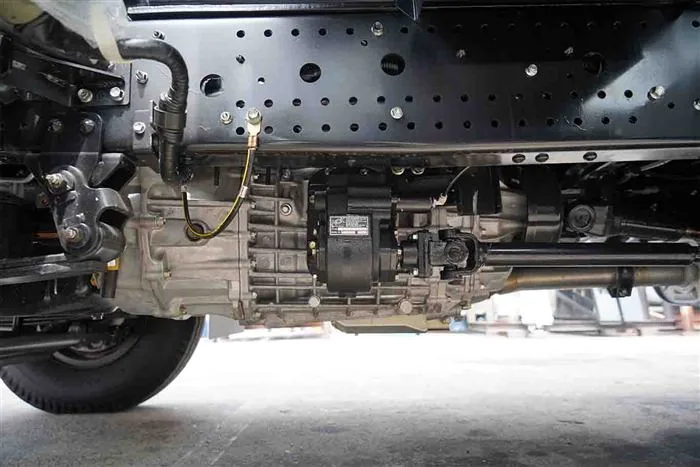
A Power Take-Off (PTO) is a mechanical gearbox that attaches to a truck's transmission and transfers engine power to auxiliary equipment — most commonly a hydraulic pump — through a rotating shaft. Instead of installing a separate engine to run a dump body, crane, or compressor, the PTO lets the truck's own engine do the work.
In Thailand this part is just as often known by its everyday nicknames — gear-fak and gear-pae — describing exactly what it looks like: a unit bolted onto the side of the gearbox. "PTO" and "Power Take-Off" are the same part; they are just the terms used on invoices, catalogues and spec sheets.
Why a PTO exists — and where the Thai name comes from
A truck engine has one job to begin with: turn the wheels and move the truck. The moment the same truck has to do work as well — tip a body, lift a load, pump water, pour concrete — something has to take power from the engine and turn that equipment. Fitting a second engine on the body would do it, but it costs more, adds weight and gives you another machine to look after.
The PTO is the simpler answer: it borrows torque from the main gearbox and sends it out to a hydraulic pump or another piece of equipment, only when the driver engages it. That idea of borrowing is exactly what the Thai name says — gear-fak literally means the gear you leave your power with.
How does a PTO work?
A truck gearbox is built with an opening in its casing, next to a gear that turns whenever the engine drives the gearbox. The PTO bolts over that opening and its own gear meshes with the gear inside. Engaging it — by cable, by air, or electrically, with the clutch pressed — pushes the gears into mesh, and from then on the PTO output turns with the engine.
From the output, the drive reaches the equipment in one of two ways: the hydraulic pump bolts straight onto the PTO (direct mount), or a shaft carries the drive to a pump or piece of equipment mounted elsewhere on the truck (shaft drive). Output speed follows engine speed through the PTO’s gear ratio, which is why the ratio has to suit the pump as well as the gearbox.
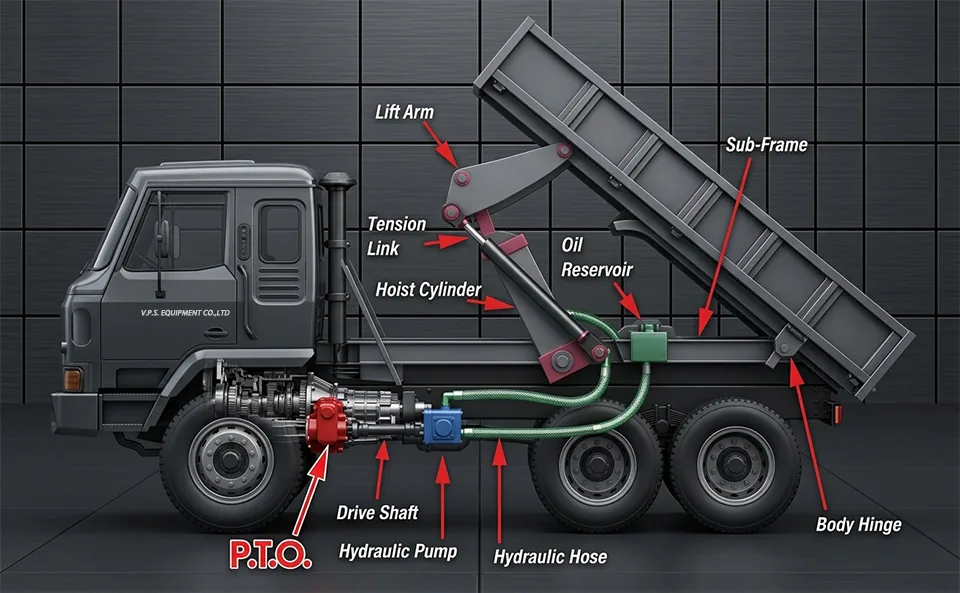
Where does a PTO mount?
The mounting position depends on the transmission model. On most Hino and Isuzu transmissions the PTO aperture is on the left side of the gearbox, while ZF transmissions place it at the rear. This is why a PTO must always be matched to the exact transmission model — bolt pattern, gear pitch, and aperture position all differ between brands.
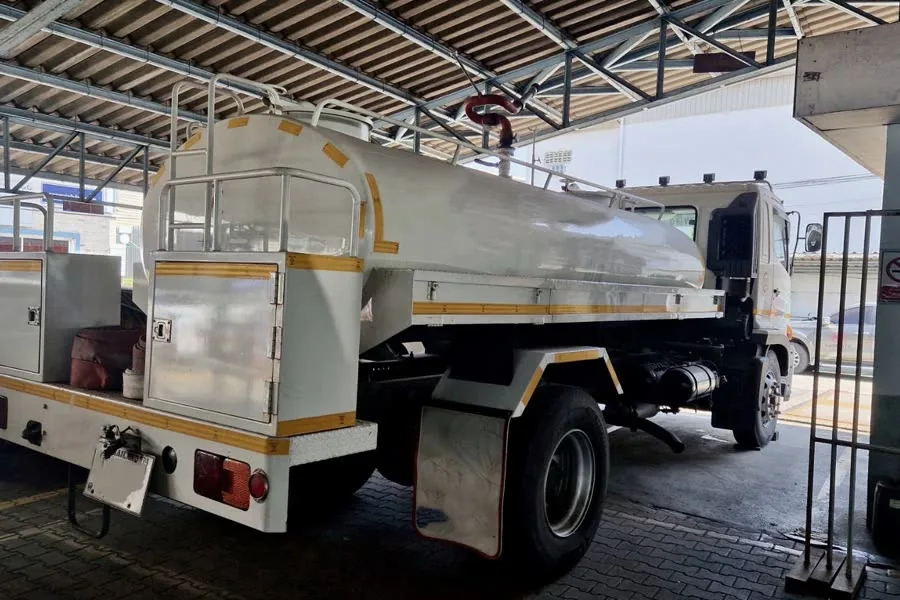
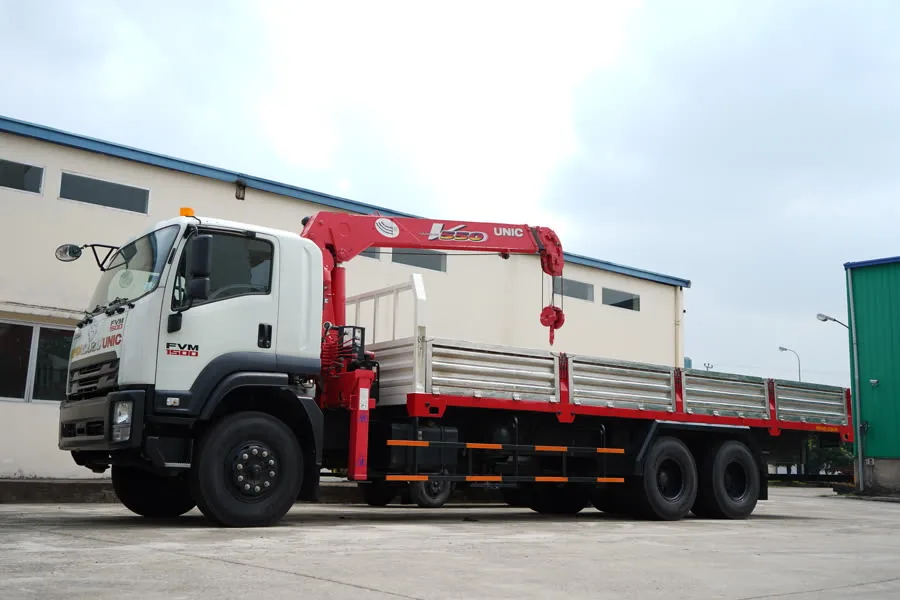
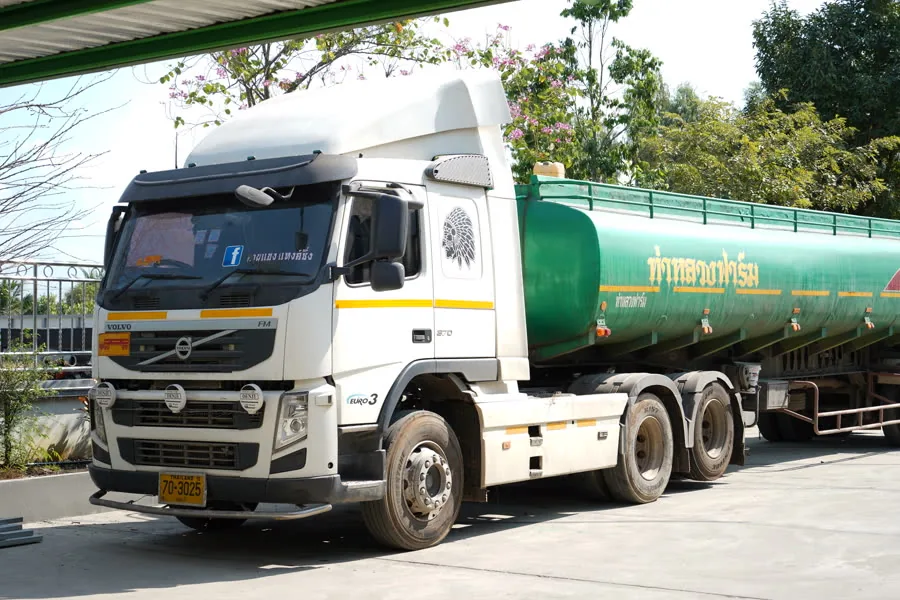
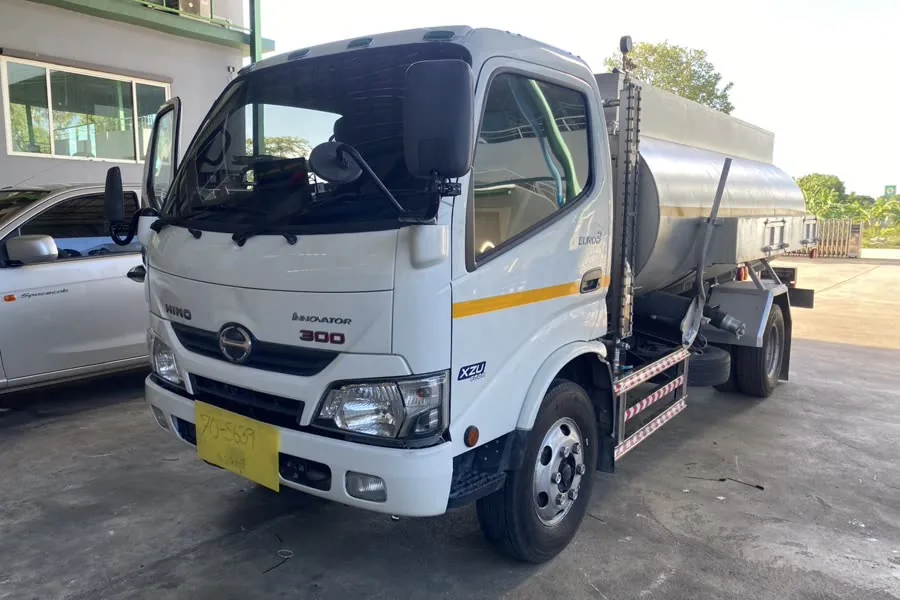
What does a PTO power?
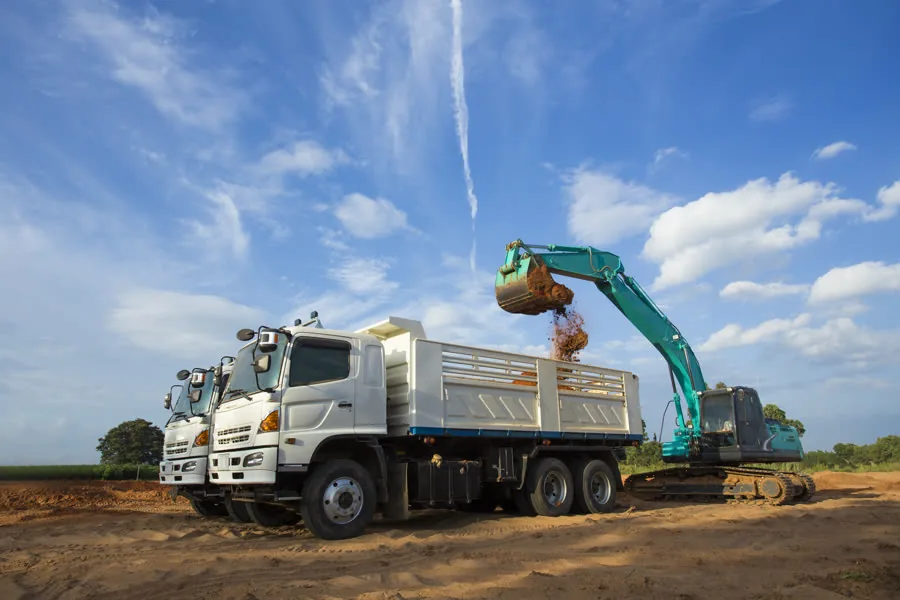
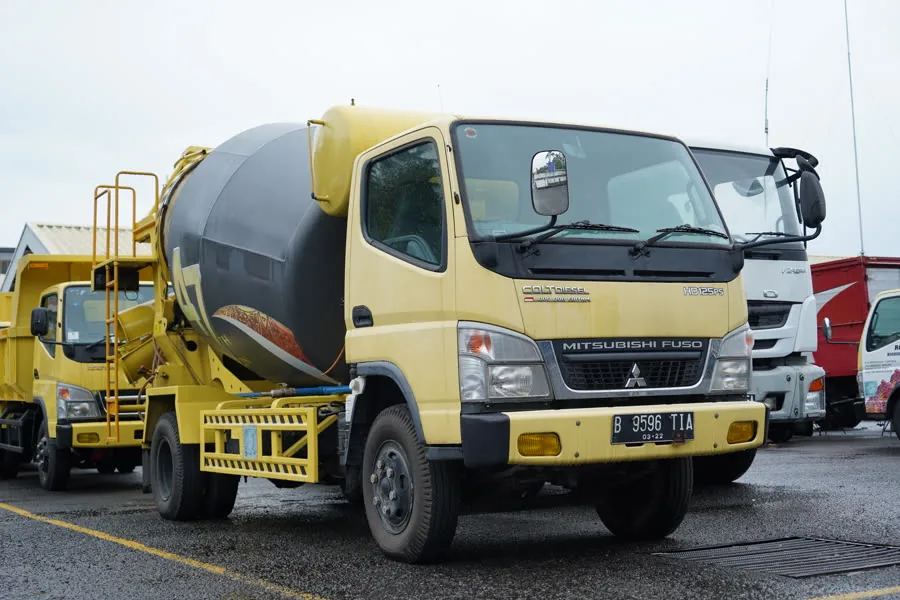
Which PTO you need depends on the gearbox, not the body on the back — a dump truck and a mixer on the same gearbox take the same PTO. Tell us the gearbox model and we’ll match it.
A
B
A
B
A
B
A
B
A
B

A
B
A
B
A
B

A
B
A
B

A
B
Something else?
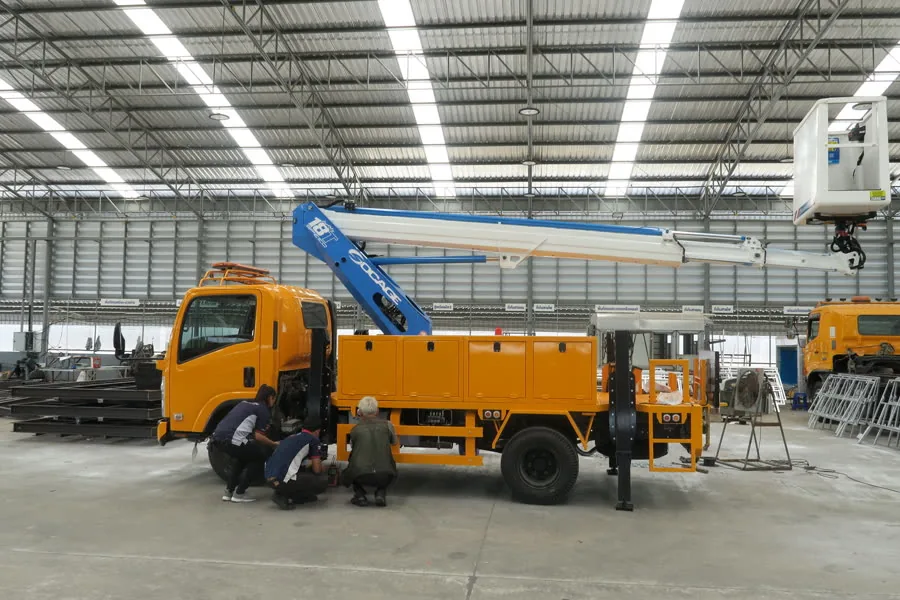
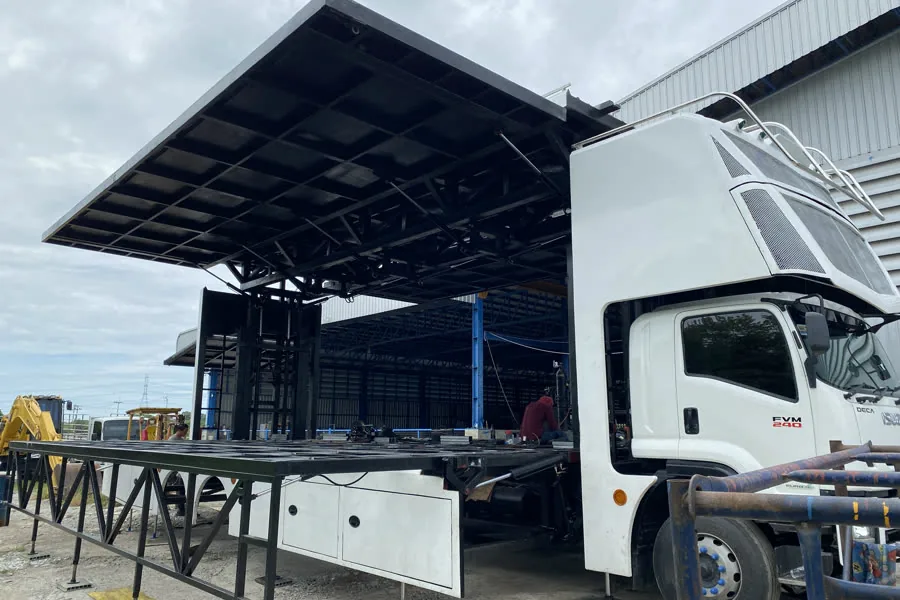
Vacuum trucks, slide-bed tow trucks, street sweepers, fire trucks and farm machinery all run on a PTO too.
Ask about your truck ›How to select the right PTO
- Transmission model compatibility — the PTO must match your gearbox's aperture and gear specification.
- Engagement type — manual cable shift, air shift, or direct engagement.
- Mounting position — side or rear, depending on chassis clearance.
- Rotation direction — the output flange must turn the same direction your pump requires.
- Application — intermittent duty (tipper) vs continuous duty (mixer, blower).
- Torque requirement — the PTO must deliver enough torque for the driven equipment, with margin.
Frequently Asked Questions
What does PTO stand for?
Power Take-Off. It is the attachment bolted to the side of a truck gearbox that takes drive from the transmission and sends it out to equipment such as a hydraulic pump. In Thailand the same part is called gear-fak.
Where is the PTO located on a truck?
It bolts directly onto the truck's gearbox. The exact position depends on the transmission model — most Hino and Isuzu gearboxes have the aperture on the left side, while ZF gearboxes place it at the rear.
How many types of PTO are there?
Mainly three, by shift type: cable shift, air shift, and electric shift. There's also a mounting-based distinction — standard gearbox-mounted PTOs versus Split Shaft PTOs, which mount on the driveshaft for higher-power applications.
How do I choose the right PTO for my truck?
Start with your exact gearbox model, not just your truck brand — then match the shift type, duty cycle, and torque to your application. See our full guide to choosing the right PTO.
How much does a PTO cost?
It varies by gearbox brand, shift type, and duty rating — there's no fixed price list, because different transmissions need different units. See what determines PTO pricing, or request a quote.
Why do gearboxes have a PTO opening, and why do only some trucks have a PTO fitted?
Gearbox makers cast the opening into the casing so the same gearbox can serve both kinds of truck. A truck that only hauls — a container trailer or a general cargo body — needs nothing driven off the engine, so the opening is closed with a cover plate that keeps dirt out and oil in. A truck that needs a tipper, a crane, a compactor or a pump has that plate removed and a PTO bolted on in its place, either by a body builder before delivery or later in a workshop.
Can a PTO be fitted to an automatic gearbox?
That depends on the gearbox itself, not on whether it shifts automatically. A PTO needs an aperture on the gearbox casing to bolt onto, and every unit is cut for a particular gearbox model. If yours is an automatic, send us the gearbox model — it is stamped on the plate on the casing — and we will tell you whether we have a unit that fits it.