
Hydraulic Pump
Gear, piston and dump pumps that turn PTO rotation into hydraulic power — shipped worldwide.
Pumps Built for PTO-Driven Trucks
Every pump here is made to run off a truck PTO. What decides the one you need is the mounting pattern on the PTO output, the flow your equipment asks for, and the pressure it works at.
Hydraulic Pumps — Full Range
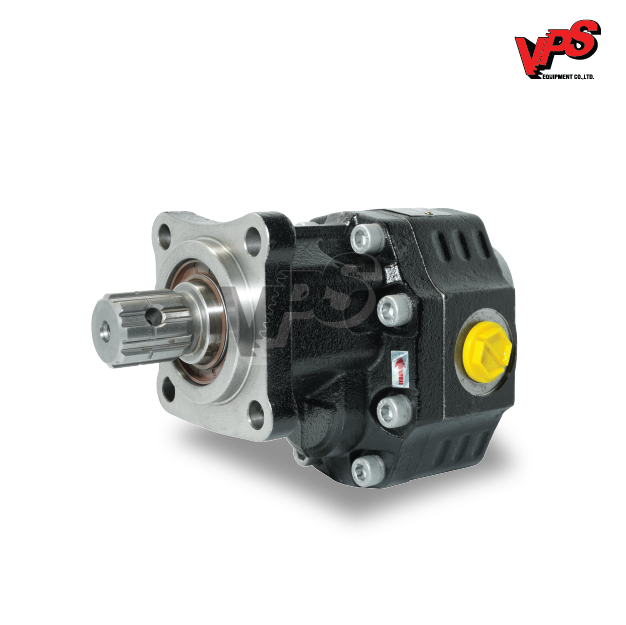
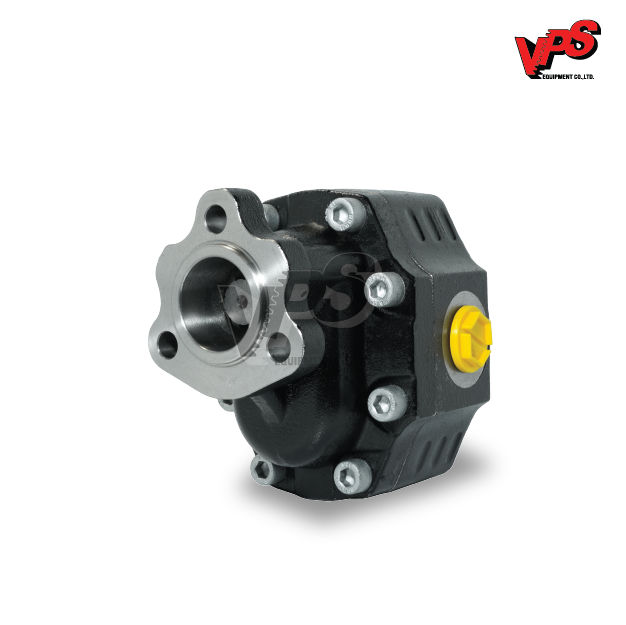
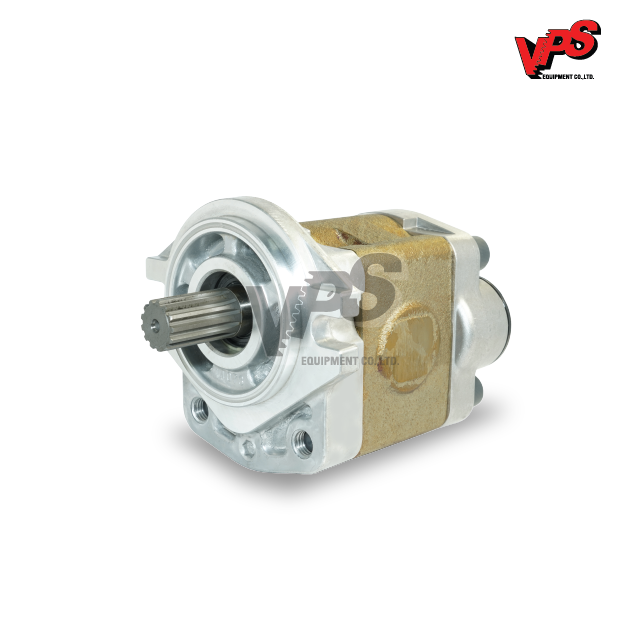
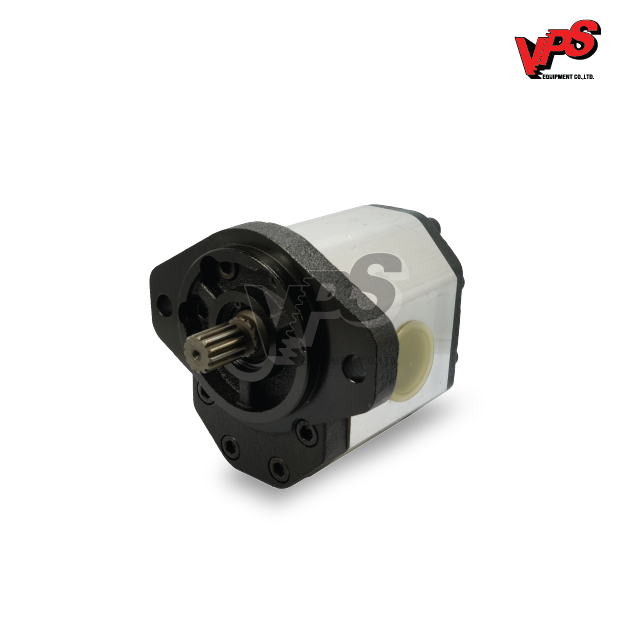
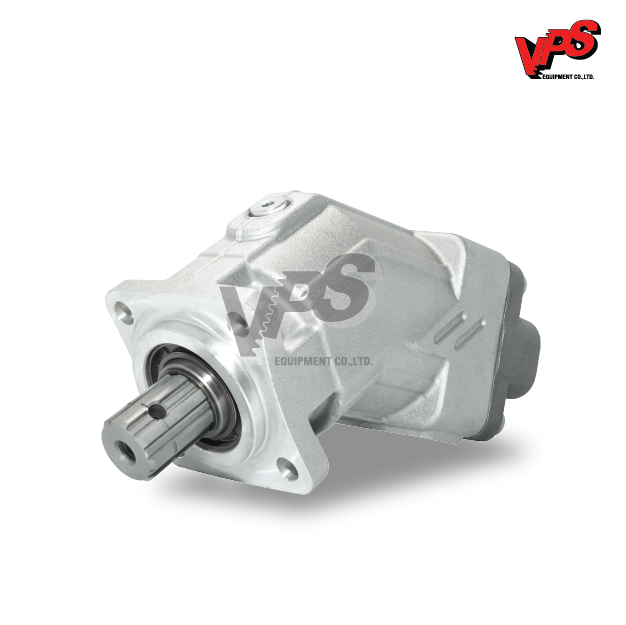
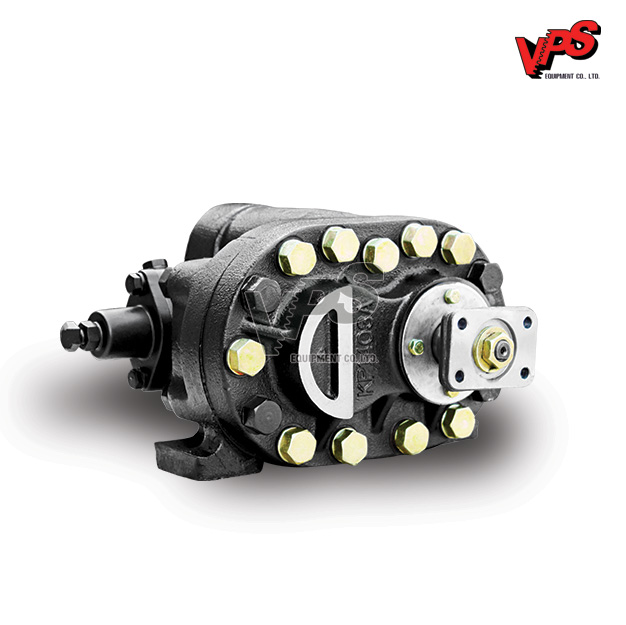
What is a PTO hydraulic pump?
A PTO hydraulic pump is a hydraulic pump driven by the truck's own power take-off instead of by a separate engine. The PTO takes drive off the gearbox and turns a shaft; the pump turns that shaft into flow — oil pushed through the circuit under pressure — and the pressure is what raises a tipper body, swings a crane or drives a blower. Everything after the pump, the valve, the cylinder, the hoses and the tank, is sized around what it delivers.
A pump rarely fails without warning. It runs hot, the pressure starts to pulse, the lift gets slower. More often than not those are the symptoms of a circuit that does not agree with itself rather than of a worn pump, and they are worth acting on while they are still symptoms.
What makes a PTO pump last
Most of the pumps we see replaced early were not worn out by work. They were starved of oil, mounted under strain, or turned the wrong way.
- Match the whole circuit, not just the pump. The PTO, the control valve, the relief valve, the cylinder, the tank, the hoses and the fittings all have to carry the same flow and the same pressure.
- Keep the suction line full bore. Hoses and fittings no narrower than the pump’s own ports — a restriction anywhere on the inlet side starves it, and a starved pump cavitates.
- Turn it the right way. The pump’s rotation has to match the direction the PTO drives it, or it will never build pressure.
- Mount it without strain. Bolts pulled up evenly, the flange sitting flat, and hoses connected with enough slack that they are not pulling on the ports.
- Clean oil, and a filter somebody actually changes. Dirt is what wears the gears and the bearings, and it does it quietly.
Frequently Asked Questions
Which pump do I need for my truck?
It starts with the PTO: the pump has to match its output flange — ISO 4-hole, UNI 3-hole or SAE 2-hole — and then the displacement follows the flow your equipment needs. Tell us both and we will specify it.
Gear pump or piston pump?
Gear pumps cover most tipping and general truck hydraulics. A piston pump is the choice for high-pressure, intensive work such as cranes and hooklifts.
Can the pump be mounted away from the PTO?
Yes — all of them take direct mounting on the PTO or remote mounting with an adapter, which is the usual answer when there is no room beside the gearbox.
Is a PTO pump different from any other hydraulic pump?
The pump itself is an ordinary gear or piston pump. What makes it a PTO pump is the flange and the shaft on its drive end, cut to bolt onto a truck power take-off rather than onto an electric motor — and the rotation, which has to match the way the PTO turns.
Ready to Find Your Pump?
Tell us your truck, PTO and application — we will recommend the model and the CC rating.
Enquire Now