
PTO Installation Guide
The installation procedure our technicians use in the field — flip through the manual one page at a time, with a photo at every stage.
⚠️ Operational Safety Checklist
Work through this checklist before installing or operating any PTO-equipped vehicle. PTO drivelines rotate at engine speed — treat every step seriously.
What to have ready
Parts and tools
- The gasket, studs, spring washers and nuts supplied with the unit — the old gasket does not go back on.
- Gasket adhesive.
- Enough gear oil, of the grade the truck maker specifies, to refill the gearbox.
- A clean container to drain into, and somewhere to dispose of the old oil.
- A torque wrench, and the torque figure for your unit — it differs by unit and gearbox.
- Backlash shims, in case the first fit needs adjusting.
Time, place and who should do it
Allow about two hours if you have fitted one before, and half a day the first time.
The truck wants to be on level ground with the parking brake set and the wheels chocked, and the gearbox cool enough to work on.
The one thing that decides whether the job lasts is gear backlash. Set it too tight and the gearbox will tell you within days — a heavy gear lever, a whine, and heat. If you are not confident judging that by feel, have it fitted by someone who is.
How a PTO Is Installed
Flip through the manual page by page — use the arrows, your keyboard, or swipe on mobile.
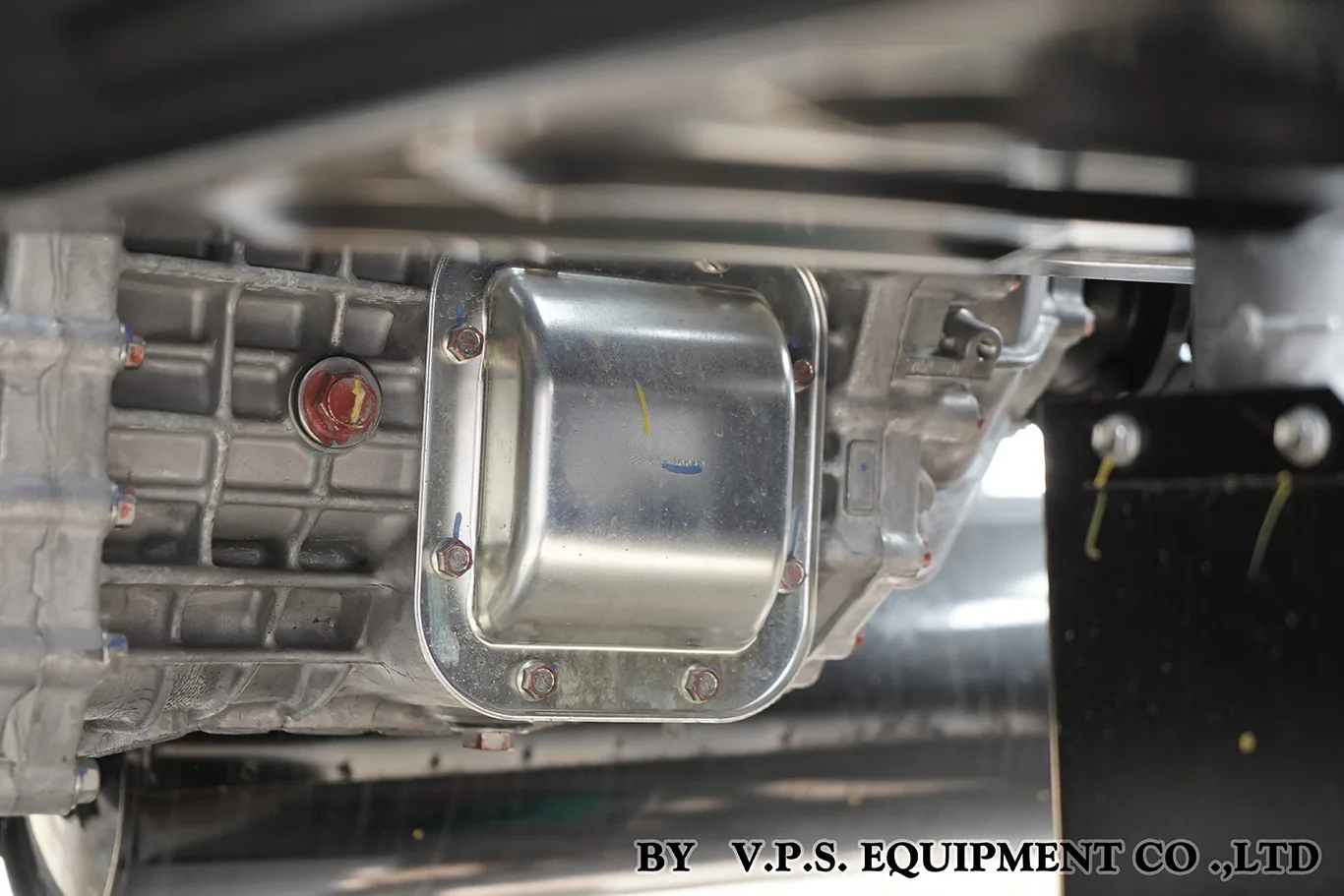
What the drained oil and the aperture tell you
A PTO goes onto whatever gearbox the truck already has, and that gearbox is not always fresh. Before the cover plate goes back off, it is worth reading what the job is telling you.
Look at the oil you drained. Clean oil runs out amber and thin. Glitter suspended in it, or flakes at the bottom of the container, means gears are already wearing somewhere in the box — and a new PTO will not fix that. Worse, that metal circulates and starts on the PTO gears too.
A burnt smell, or oil that has gone thick and dark, points to heat the gearbox has been living with. Fitting a PTO adds load, not relief. Sort the cause first.
If the gearbox has carried a PTO before, check the mounting threads before anything else — studs stretch, threads pull, and old gasket material bakes onto the face. Threads that will not hold torque need repairing before the unit goes on, not after.
If the box has been opened, repaired or modified, treat the backlash as unknown. Gear positions and gasket thicknesses may no longer match the standard figures, so measure it on this gearbox rather than trusting what worked on the last truck.
Not sure what you are looking at? Photograph the aperture and the drained oil and send them over — we would rather tell you the box needs attention than have a new unit fitted to a gearbox that is on its way out.
What to check once it is on
What goes wrong most often
Backlash set too tight. Heavy shifting, a whine, heat at the housing. The stage where you re-check the lever weight exists for exactly this reason — if it feels heavier than before, stop and re-shim.
Old gasket material left on the face, or the wrong gasket thickness. The first weeps oil; the second quietly changes the backlash you just set.
Fasteners pulled up too hard, or a washer left out. The gasket crushes and the joint seeps — and it will not stop seeping until it comes apart again.
The gearbox refilled to the wrong level. Overfilled, it pushes oil past the nearest seal; underfilled, the gears run hot.
The air line or cable routed badly. The unit engages part-way, or not at all, and the fault looks like the PTO when it is the control.
If something is not right after the job, work through the PTO troubleshooting guide — it starts from the symptom rather than the part.
Frequently Asked Questions
Can I install a PTO myself?
If you have workshop tools and you are comfortable draining and refilling a gearbox, the bolting-up is straightforward. The part that needs judgement is gear backlash: too tight and the gearbox pays for it within days. If you would rather not judge that by feel, our team installs across Thailand.
How long does it take?
About two hours for a fitter who has done one before. Allow half a day the first time, plus draining and refilling the gearbox oil.
Do I have to drain the transmission oil?
For the gearbox-mounted units in this guide, yes — the aperture sits below the oil level, so the oil comes out before the cover plate does.
Can a PTO be fitted to an automatic gearbox?
That depends on the gearbox itself, not on whether it shifts automatically. A PTO needs an aperture on the casing to bolt onto, and every unit is cut for a particular gearbox model. Send us the gearbox model and we will tell you whether we have a unit that fits it.
What torque should the mounting nuts be?
It differs by unit and by gearbox, so use the figure on your unit’s spec sheet rather than a general number. If you do not have it to hand, send us the model and we will give you the figure.
See It in Action
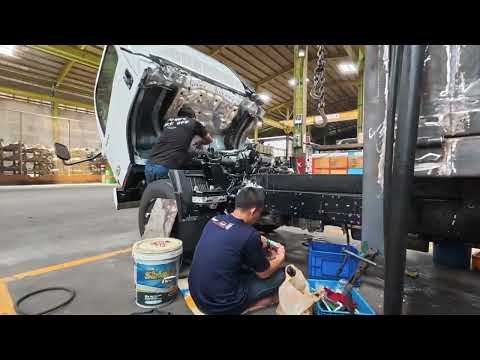
A VPS field team installing a Power Take-Off on a customer’s truck.
Prefer to have it done for you?
Our team provides on-site installation and commissioning across Thailand — every VPS PTO includes installation support.