
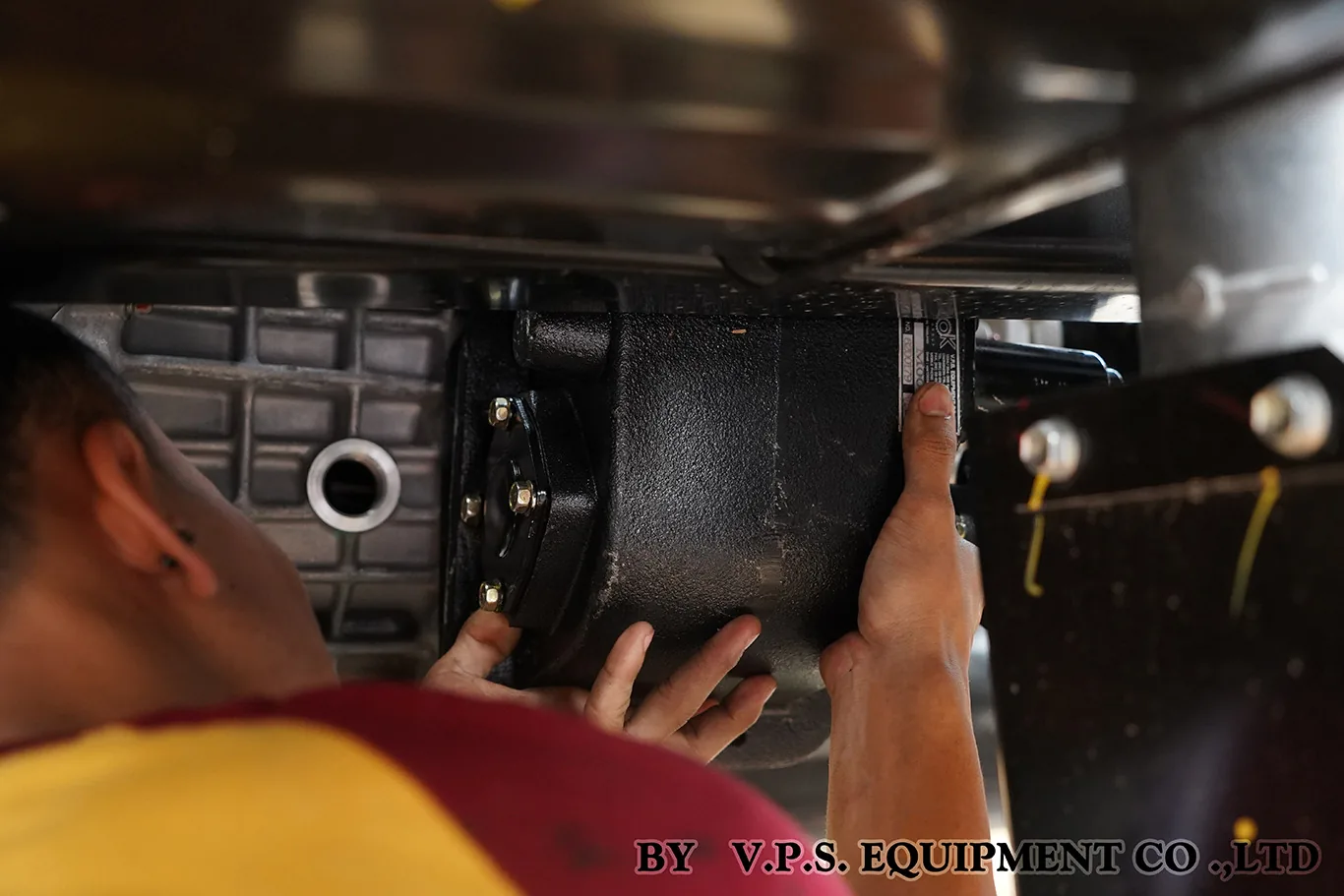
A PTO that won't engage, or that engages but doesn't deliver full power, isn't always a sign the unit itself has failed. In the field, most reported PTO problems trace back to something outside the PTO housing — the engagement linkage, the driveshaft, the driven pump, or a simple electrical fault. Working through symptoms in a logical order saves time on the truck and often avoids an unnecessary teardown.
Work from symptom to cause
Before assuming the worst, sort what you're seeing into one of three categories: the PTO won't engage at all, it engages but the driven equipment underperforms, or it engages fine but makes noise, vibrates, or runs hot. Each points toward a different part of the system, and working through them in this order keeps you from replacing a good component while the real fault sits elsewhere.
PTO won't engage
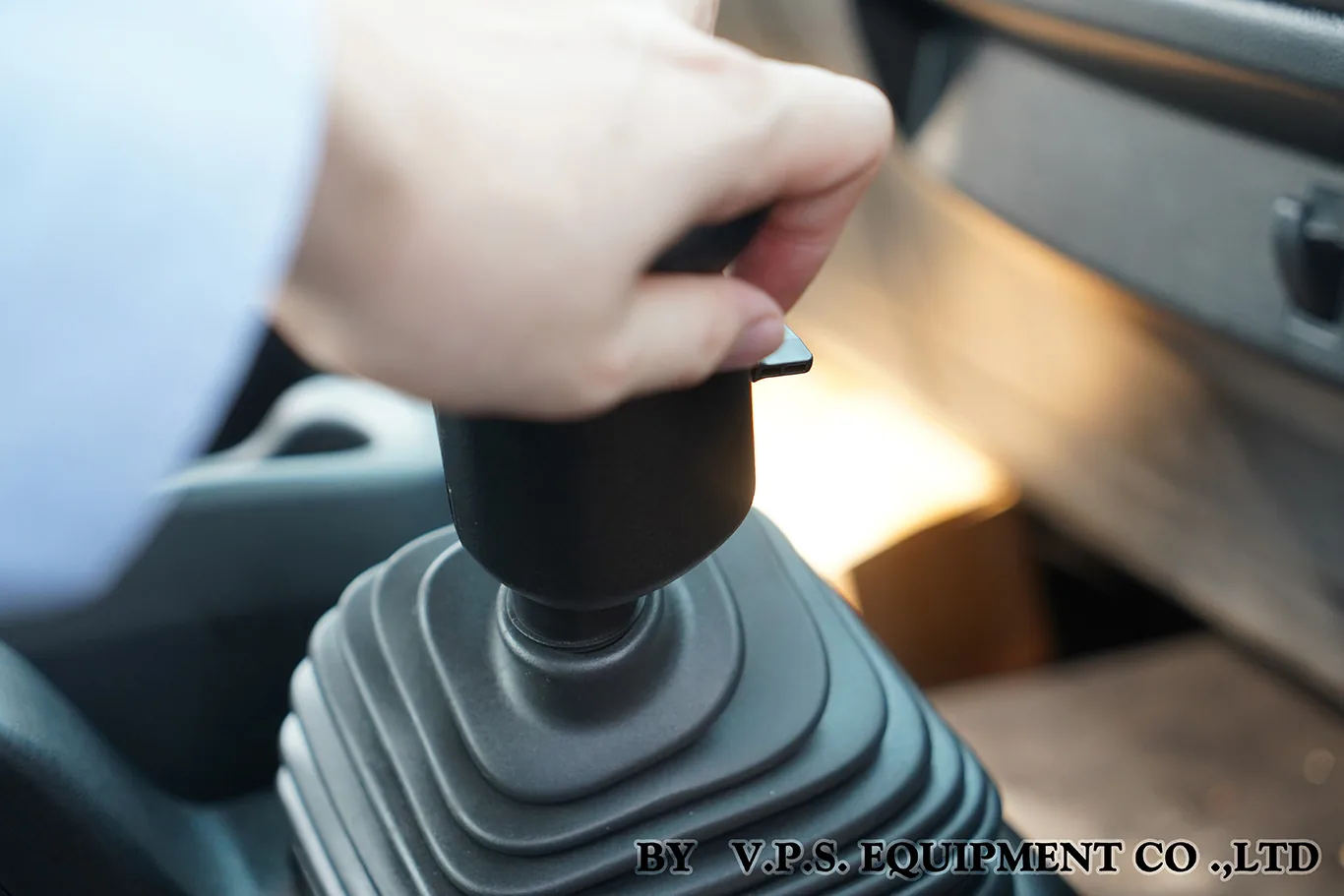
- Confirm the truck is in the state the interlock requires — usually stationary or idling, in neutral, with the parking brake set. Most PTOs are designed to block engagement outside these conditions, and a skipped step here is often mistaken for a fault.
- On an air-shift PTO, check that the air system is building and holding pressure — a slow leak at a fitting or a worn air cylinder is a common, easy-to-miss cause of a PTO that won't engage or engages weakly.
- On a cable-shift PTO, check the cable itself for fraying or a seized housing, and confirm the linkage hasn't come loose at either end.
- On electric or switch-controlled engagement, check the fuse and the wiring harness for corrosion or chafing, and test the switch itself before assuming the solenoid has failed.
- Rule out a simple gear clash before going further — teeth that meet edge-to-edge rather than engaging fully will often seat cleanly once the truck is rocked slightly or the engine is bumped in and out of gear.
PTO engages, but the driven equipment is weak or slow
If the PTO engages normally but the pump, mixer drum, or lifting equipment feels underpowered, the fault is more often downstream of the PTO than inside it.
- Check hydraulic fluid level and condition — low fluid, or oil that has overheated and lost viscosity, will starve a pump of the flow it needs.
- Inspect the driveshaft and coupling between the PTO and the driven equipment for wear, misalignment, or a connection that's slipping under load.
- Confirm engine RPM is actually reaching what the application needs — a throttle or governor issue upstream can look exactly like a weak PTO.
- Check that engagement is fully seated, not partial — a PTO that looks engaged but hasn't fully shifted transmits less torque than it should.
Noise, vibration, or heat during operation
Once engagement and output are confirmed working, unusual sound or heat is the next thing worth tracking down before it becomes a bigger repair.
- A whine that rises and falls with load, rather than staying constant with engine speed, usually points to gear wear inside the PTO housing.
- Vibration that appears only when the PTO is engaged often traces back to the driveshaft — check universal joint wear and shaft alignment before opening the PTO itself.
- Excess heat at the PTO housing after a normal duty cycle can mean low or degraded gear oil, or a duty cycle that's heavier than the unit is rated for.
- New noise following any nearby suspension, chassis, or transmission work is often a clue that mounting bolts loosened or something shifted during that other job — always recheck PTO mounting after work done nearby.
Oil leaking from the PTO
A wet housing is worth tracking down early. A weep that looks minor drops the gear oil level over weeks, and oil spread over the outside of the housing hides whatever starts next.
- Output shaft seal — a film that comes back after every wipe usually means the seal has hardened with age or was nicked during assembly. Seals are wear parts; they do not last the life of the unit.
- Mounting gasket — a seep at the joint with the gearbox is usually bolts not torqued down, a washer left out, or bolts pulled up so hard the gasket tore. A torn gasket has to be replaced, not re-tightened, and a gasket that has been used once should not go back in. Gasket quality matters here too, and so does the number of gaskets, which sets backlash — never add or remove one without measuring.
- Oil level and breather — an overfilled gearbox pushes oil out past the nearest seal, and a blocked breather does the same by pressurising the case.
- Hoses and fittings on the driven side — oil under the truck is not always gear oil. Trace it before you open anything: hydraulic oil from a pump hose or a loose fitting is the more common find, and a different repair.
What actually breaks PTOs
Most of the damage we see is not the unit failing on its own. It comes from how the truck is driven and how the hydraulic system is looked after.
- Engaging without the clutch fully down. This is the big one, and the most common. Gears that are still turning are forced together and teeth break — sometimes on the first attempt. Trucks that change drivers often, or that get a driver who has not used a PTO before, are where this shows up. Tell every driver the same thing: clutch fully down, wait for the engine to settle, then shift the PTO in.
- Torque beyond the rating. A truck plated for 6 tons carrying 8 to save a trip is a PTO and pump carrying that overload every time the body is tipped.
- Hydraulic filters that never get changed. Dirty oil carries metal particles through the whole system, wearing gears and then the pump — a filter costs a fraction of what replacing both costs.
- Leaving the PTO engaged after the work is done. It keeps turning all the way home for nothing, adding heat and wear.
When to stop and call a technician
A PTO driveline rotates at engine speed, and diagnosis under load carries real risk — never work on, adjust, or reach near an engaged PTO or its driveshaft, and never operate one with a guard removed. If the checks above don't turn up an obvious cause, or the fault reappears after a fix, it's time to bring in a technician rather than keep guessing: repeated trial-and-error on a system that transmits this much power costs more in downtime than a proper diagnosis would.