
Choosing a PTO isn't just picking your truck's brand from a list. The right unit depends on your exact gearbox model, how you'll use it, and what it needs to drive — get any of those wrong and the PTO either won't fit or won't hold up. Here's the order to work through it.
Start with your gearbox model, not just your truck brand
Two trucks of the same brand, even the same model year, can carry different gearboxes — and a PTO is matched to the gearbox's bolt pattern, gear mesh, and mounting flange, not the truck badge. Find your gearbox model code (usually stamped on the transmission housing) before you start comparing units; it's the single most important piece of information for getting a correct match.
Match the shift type to how you’ll use it
The three engagement types trade off cost, convenience, and how the PTO is used day to day:
- Cable shift — simplest and most affordable, engaged manually from inside the cab. Good for occasional, low-frequency use.
- Air shift — pneumatic engagement, suited to trucks that already run an air system and need remote or frequent engagement.
- Electric shift — the most convenient in-cab control, common on newer trucks; no air lines to route.
Think about how hard the PTO will actually work
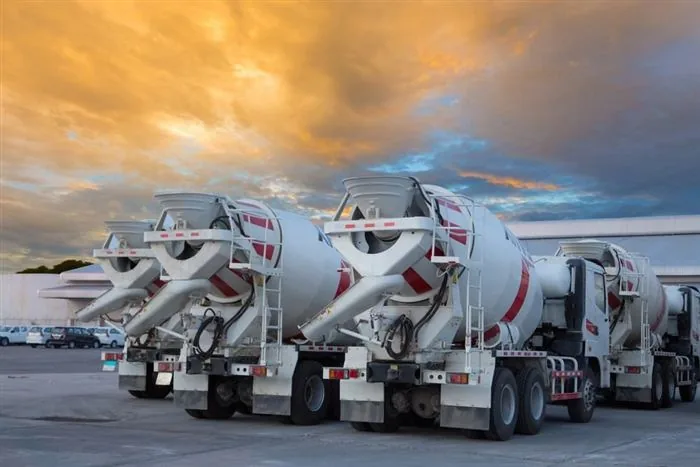
A PTO that engages briefly a few times a shift — tipping a dump bed, say — runs under normal duty. A PTO that stays engaged for long stretches, like driving a concrete mixer drum or a continuous blower, runs under severe duty and needs a heavier-rated unit. Undersizing for the duty cycle is one of the most common causes of early PTO failure — when in doubt, size up.
Check the output matches your equipment
The PTO's output type — SAE A, SAE B, or a direct flange — has to match what you're driving, whether that's a hydraulic pump, a compressor, or a water pump. Confirm the output spec with your pump or equipment supplier before ordering, not after.
When you need a transfer gear or Split Shaft PTO instead
If your equipment needs a different rotation direction or speed ratio than the PTO’s raw output, a transfer gear sits between them to adapt it. And if a standard gearbox-mounted PTO simply can’t supply enough continuous power for the job — fire pumps and some concrete mixers are common cases — a Split Shaft PTO, mounted on the driveshaft instead of the gearbox, may be the better fit.